

Community Access Intimacy
Starting from primordial equality and belonging: a special satsang podcast

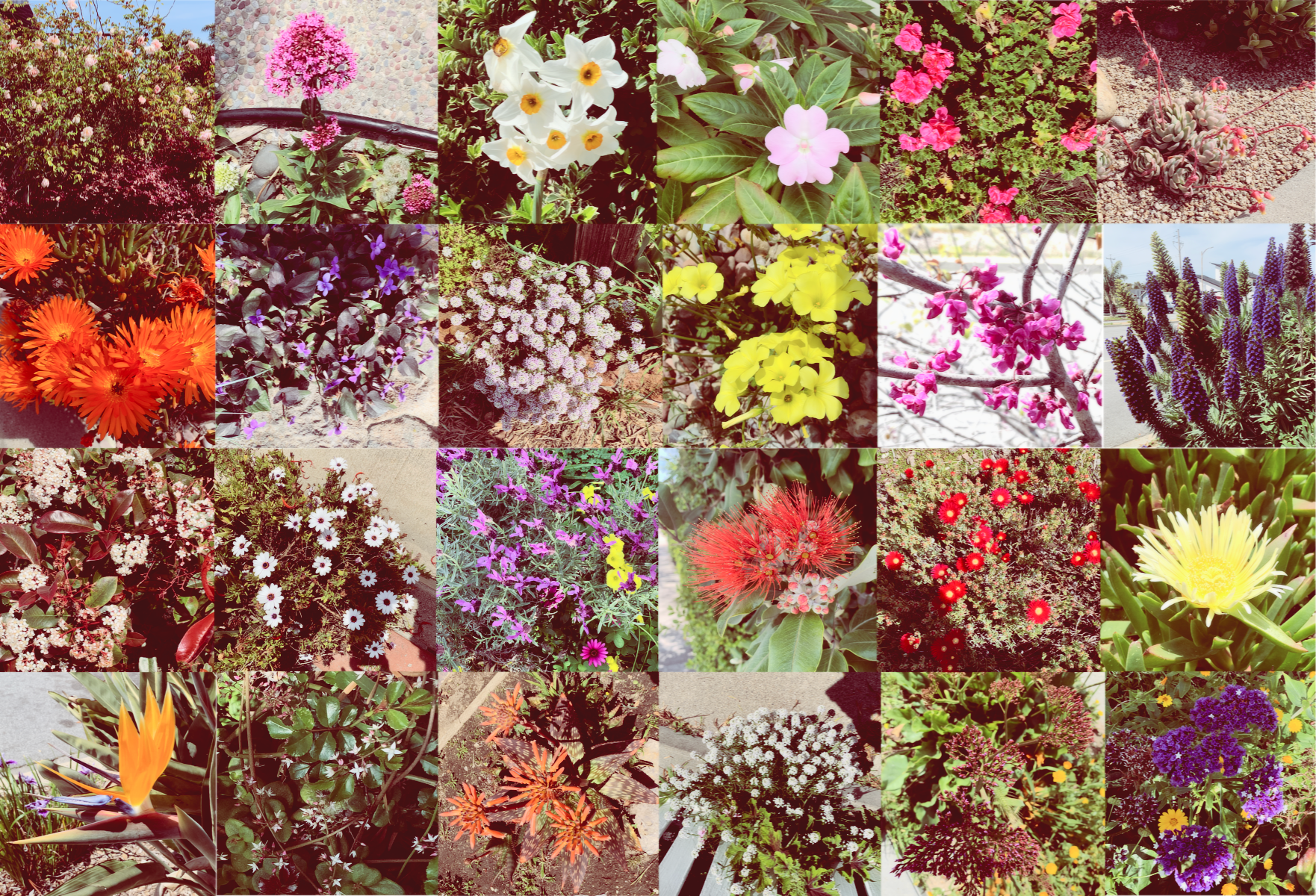
In my spiritual traditions, diversity is the creative life process of an alive aware reality that is, in essence, a single, continuous self. Diversity dances on top of total equality like waves on an ocean.
As we work together to make histories of violent inequalities more visible and to stop their perpetuation, how can we practically embody the primordial equality and belonging that is indestructible and impervious to our attitudes and limitations?
We more usually begin from the premise that there are inequalities and exclusions that need to be redressed. And they surely do. But as a community practicing in nondual traditions, what would our lives together look like if we began with the equality and belonging that are unconditional and cannot be destroyed? How can we consciously embody this understanding in our everyday, relational lives?
This was the question I posed to our spiritual community, Jaya Kula, in 2023 when our annual working theme was “Belonging.” However, in the intervening three years, I failed to find any answers.
Access Intimacy
“Access intimacy” is a term coined in 2011 by writer, educator, and disability justice activist Mia Mingus. I was introduced to Mingus’ writings by two of my students who are living with chronic illness and long COVID.
Here is Mingus’ definition of access intimacy from her 2011 post:
“Access intimacy is that elusive, hard to describe feeling when someone else ‘gets’ your access needs. The kind of eerie comfort that your disabled self feels with someone on a purely access level. Sometimes it can happen with complete strangers, disabled or not, or sometimes it can be built over years. It could also be the way your body relaxes and opens up with someone when all your access needs are being met.”1
Access intimacy has an anticipatory quality that requires, well, intimacy. Mingus describes it as an “eerie comfort,” I think because we so often assume that separation is the foundation of life, and that marking difference is a sign of respect.
When intimacy is the ground, it’s eerie—like something partially remembered, but from the deep wellsprings of life—a heart memory that harbors inexplicable magic, yet is more real than anything else.
In nondual spiritual traditions, continuity or a total intimacy is what we are discovering through our practice, and it sits underneath or prior to the experience of separation.
Some nondual traditions are more transcendental. But specifically in Trika Shaivism and Dzogchen, we celebrate the experience of diversity as the creative production of, I wanna say, God.
While most of us do not have access to that primordial, total intimacy, we do have partial access to it, for instance when we just know how someone else feels. Or even more, when upon sensing another person’s condition, we know exactly what they need in that moment without asking or being able to explain how we knew it.
Recently, I came to feel that Mingus’ beautiful work on access intimacy could provide the open door I have been looking for when inquiring about what I have started calling community access intimacy.
The following podcast is from a live satsang that happened on May 24, 2026. In it, I offer a kind of cover of Mia Mingus’ writing on access intimacy to arrive at the start of a concept of community access intimacy. And I suggest some practical ways of embodying it.
I consider this talk to be extremely preliminary. I can already think of a dozen things I wish I had said!
Luckily our community is engaged in exploring how community access intimacy might feel and look. Please help to shape this thing! We’d love to hear your thoughts—both ideas and pushbacks—in the comments.
with infinite love,
Shambhavi

»Listen to the satsang podcast
Community Access Intimacy - Starting from primordial equality and belonging, recorded on May 24, 2026
Transcript

Community Access Intimacy Summary
Here’s the handout we were reading from during satsang
Not quite ready to fire up a paid subscription, but want to show your appreciation?

Please join Shambhavi and the Jaya Kula community for satsang & kirtan every Sunday at 3:00pm Pacific. Come in person to 1215 SE 8th Ave, Portland, OR, or join Jaya Kula’s newsletter to get the Zoom link for satsang. You can also listen to my podcast—Satsang with Shambhavi—wherever podcasts are found.
Mia Mingus coined the term access intimacy in her 2011 blog post titled “Access Intimacy: The Missing Link” on her blog Leaving Evidence. She expanded the concept across multiple teachings and in a 2017 blog post: “Access Intimacy, Interdependence, and Disability Justice.”