


Compassion doesn’t reside in studied gestures or well-crafted words.
Equanimity doesn’t look like frozen faces or lofty stares.
The greatest teachers from Hindu, Buddhist, and other traditions are freely expressive. The faces of the most realized humans I have met are moving rivers of delight, tenderness, anger, mockery, sadness, sternness, wistfulness, humor, amazement, wonder, devotion, compassion, and even helplessness.
And there are tears—tears of devotion and tears of compassion. On occasion, there are tears of despair.
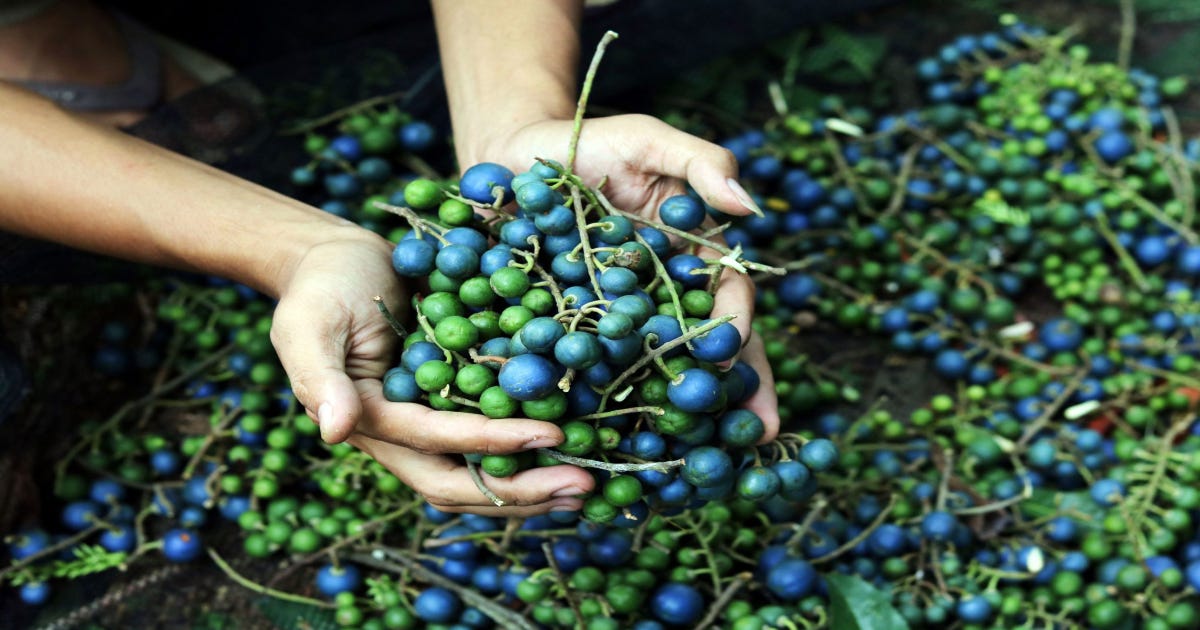
Shiva traveled the skies of India, weeping at the loss of his wife Sati who he held in his arms as he flew. He also wet the Earth for thousands of years with tears of compassion for the suffering of all beings. Each of his tears became the seed of a rudraksha tree from which we make malas.
Avalokiteshvara, upon witnessing the seemingly inexhaustible ocean of suffering, wept so intensely that his head split into eleven heads and his two arms became a thousand arms.
“Jesus wept” — the shortest verse in the Christian Bible — reveals Jesus’ compassionate response to suffering.
Anandamayi Ma wept with disciples in grief, illness, or spiritual crisis. Her tears were comfort and accompaniment.
Ramakrishna wept often at the sight of poor laborers and suffering animals. Swami Vivekananda also wept when walking through poorer neighborhoods and wrote to friends that he lost sleep thinking of the suffering of the inhabitants.
Padmasambhava, the second Buddha, is said to have hidden his face in his clothes and been at a loss for words when contemplating the violence and suffering of human beings as he gazed through time to our era.
Alive
In my traditions—Trika Shaivism and Dzogchen—we discover that emotions can be enjoyed even if they include pain. Like richly layered wines, they are flavors on God’s tongue.
When we experience emotions in this way, they move freely without repeating compulsively so much. But they never disappear or become flat.
Equanimity has nothing to do with responding in an "even” tone to all circumstances.
Equanimity means that you see the real nature of things and recognize that the infinite diversity of life emerges from a fundamental equality.
When we have this recognition, we become less stalled in reactive patterns and more open to life and willing to engage with circumstances as they arise.
Our attitude is closer to “come what may” than to withdrawing or disengaging emotionally.
We let ourselves be moved by life, and we move with it in a more improvisational way.
Clear feeling
Compassion is a rich and powerful feeling, not a set of rules. It is totally responsive to the unique dimension of every circumstance.
It can result in one kind of behavior and then in that behavior’s exact opposite.
Compassion also does not live “in” us. It doesn’t belong to the zone of the individual. It moves us.
Compassion lives everywhere, shining out of the substrate of reality. It is immanent to all circumstances, and we feel natural, uncontrived compassion when obscurations are dissolved.
When we experience this compassion—the compassion of all of reality—we are literally blown away. Amazed, moved, and also we become much less self-concerned and much more all-concerned.
Our real pronoun becomes we.
Finally when compassion and clarity are both revealed in our experience, we are able to perceive possibilities for skillful relating and acting that we would have otherwise been blinded to.
I would not know any of this if my teacher hadn’t shown me. There is no word to describe my gratitude for this.
with infinite love,
Shambhavi

Kindred 108 is 100% supported by readers like you. If you benefit from the offerings here, please consider subscribing, or even offering a paid subscription. Thank you!
Not quite ready to fire up a paid subscription, but want to show your appreciation?

Please join Shambhavi and the Jaya Kula community for satsang & kirtan every Sunday at 3:00pm Pacific. Come in person to 1215 SE 8th Ave, Portland, OR, or join Jaya Kula’s newsletter to get the Zoom link for satsang. You can also listen to my podcast—Satsang with Shambhavi—wherever podcasts are found.
I always appreciate you reminding us about the importance of feelings, spontaneity, and how these relate to more wisdom oriented stance. I recently consulted with an eminent psychiatrist, and when I told him that I wept in a session with a client, he almost scolded me. Even when I explained that my vulnerable feelings shared allowed the client to drop her defenses and share her real feelings with me. It apparently was considered inappropriate. I’m not gonna give up my humanity in serving my clients. And I’m also not going to indulge my feelings if it’s not in service to their needs. However, I do not believe that being a blank screen is helpful for many people who have suffered trauma. They need to know that they matter to us.
Thank you. Another beautiful piece for contemplation ❤️